How to Sleep With a Sore Back: Positions That May Help
Nights are where back pain does its quiet damage: eight hours in one position can undo a day of moving well, and a bad night makes the next day's back worse in return. The way you arrange yourself in bed is one of the few back-care levers that costs nothing and starts tonight.
This guide ranks the three main sleeping positions for an aching back, shows the pillow adjustments that make each one kinder, and finishes with a two-minute wind-down that may help you wake up less stiff.
Side sleeping: the reliable default
For most sore backs, side sleeping with a pillow between the knees is the position to beat. The pillow is not a comfort accessory — it keeps the top leg from dropping across your body, which would pull the pelvis and lower spine into a twist you then hold for hours.
Keep your knees drawn up slightly (a loose half-fetal shape) rather than clutched to your chest, and pick a head pillow tall enough that your neck stays level with the mattress — your nose should point straight ahead, not up or down the bed.
If you tend to roll, a rolled towel or a long body pillow against your front gives your top arm and leg somewhere to rest and keeps the twist away all night.
Back sleeping: great, with one adjustment
Sleeping on your back spreads your weight evenly and holds the spine close to neutral — with one common flaw: legs flat on the mattress let the pelvis tip forward, which can press the lower back into an arch that aches by morning.
The answer is a pillow under the knees. That small bend lets the lower back settle toward the mattress and often changes how the first hour of the morning feels. Keep the head pillow modest — a thick stack pushes the head forward and trades back comfort for neck complaints.
Stomach sleeping: the one to negotiate with
Stomach sleeping is the hardest position on a sore back: it flattens the lower spine into extension and forces the neck into a full turn for hours. Most people with an aching back sleep better after weaning off it.
If you genuinely cannot sleep any other way, slide a thin pillow under your hips and stomach — it takes some of the arch out of the lower back — and use the flattest head pillow you own, or none at all.
Weaning off is easier than quitting: start the night on your side with a body pillow hugged to your front, so the familiar pressure on your chest is still there. Many stomach sleepers find that is the sensation they were after all along.
A two-minute wind-down before bed
A back that goes to bed moving settles faster than one that goes to bed stiff from the sofa. Two minutes is enough:
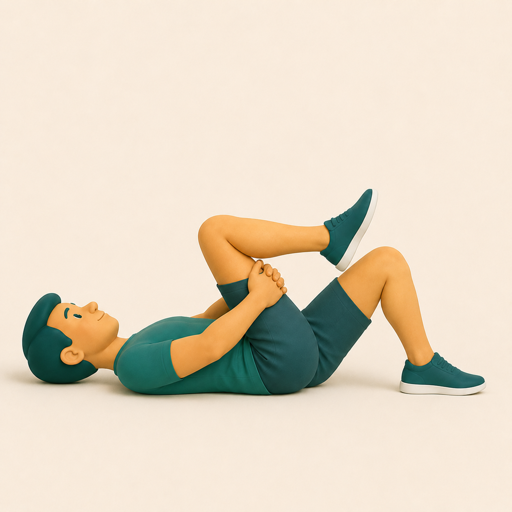 Single knee to chest — 20 seconds per side, lying on your bed. A gentle hug that eases the lower back before the long stillness.
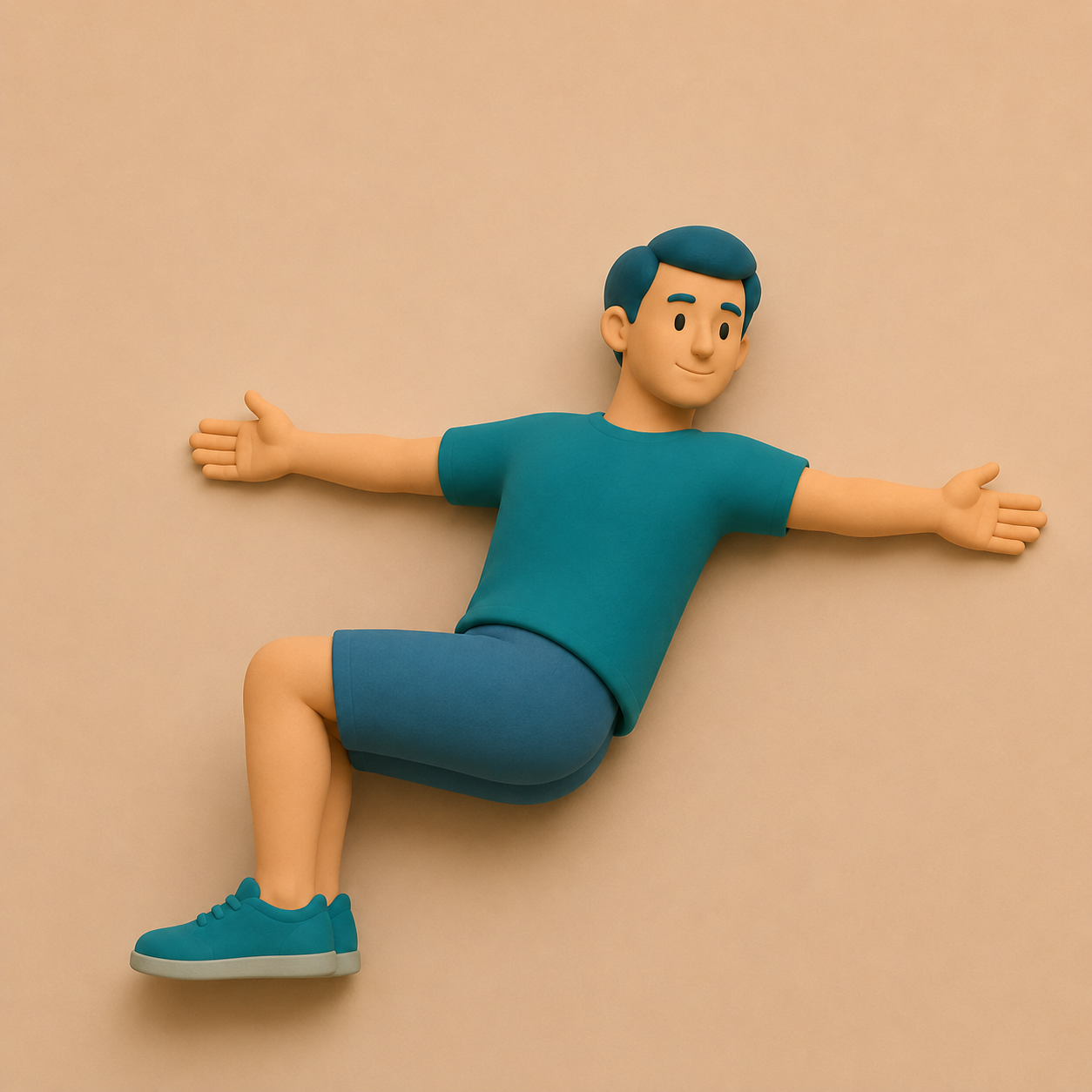 Supine twist — 30 seconds per side, knees stacked and easy. Let the lower back unwind from the day at whatever range feels comfortable.
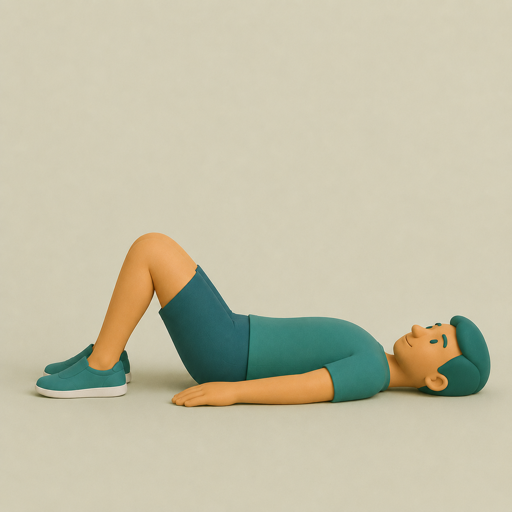 Pelvic tilts — 10 slow rocks. Small, breath-paced, and drowsy is fine — this is a lullaby for the lower back, not a workout.
Mattresses, honestly
The research on mattresses is less dramatic than the marketing: medium-firm tends to beat both very firm and very soft for back comfort, and a mattress with a visible dip has finished its career. Beyond that, the best mattress is mostly the one you sleep deeply on.
Before buying anything, try the free changes for two weeks — the knee pillow, the position swap, the wind-down. They move the needle for many people, and they cost nothing.
If you want a plan for the daytime half of the equation, the 60-second check-in on backpain.ai builds a daily ten-minute routine around your specific back — first guided session free.
When night pain deserves a professional
Pain that reliably wakes you in the second half of the night, or that is worst lying down regardless of position, deserves prompt medical attention — as does any back pain with numbness or tingling, pain running down a leg, fever, or unexplained weight loss. Those patterns need real medical eyes, not a pillow arrangement.
This guide is educational information, not medical advice. When in doubt, check with your doctor.
Reading helps — a plan does the deciding for you: which moves, in what order, for your back.
Start my 60-second check-inFirst session free · no card needed
More for your lower back: all guides and gentle moves in one place →
Educational information, not medical advice — consult a licensed healthcare provider, and check with your doctor before starting any exercise program.