Desk Job, Aching Back: 4 Moves You Can Do at Work
Backs are built to move, and desk jobs ask them to do the opposite: hold one position, for hours, most days. If your lower back aches by mid-afternoon or your upper back feels welded together by Friday, the chair is usually the culprit — not anything being wrong with you.
The good news is that the dose of movement a desk-bound back needs is small. Here are four moves that need no floor and no gym clothes, plus the habits that make the biggest difference.
Why sitting bothers backs
Sitting is not dangerous — but held stillness adds up. In a chair, your hip flexors sit shortened, your lower back settles into a rounded slump, and your upper back drifts forward toward the screen. Hold that shape for six hours and the muscles that support you upright have essentially had the day off.
The answer is not a perfect chair or perfect posture. Research on desk workers keeps pointing the same way: the best posture is the next posture. Regular small movement beats any single ideal position.
Four moves for the workday
Spread these through the day rather than saving them all for one break. None need equipment or floor space.
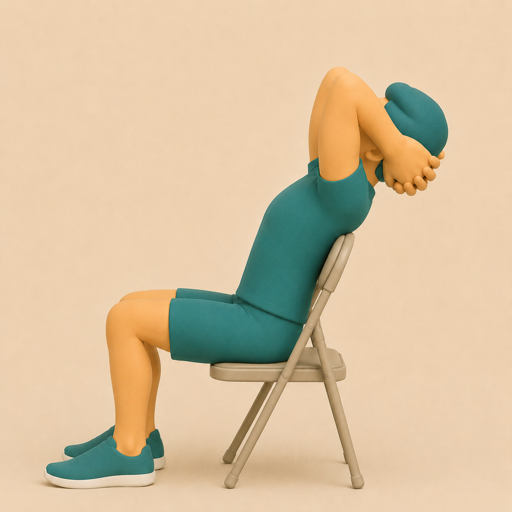 Thoracic extension over the chair back — 5 slow arcs. Drapes your upper back over the backrest to reverse the screen hunch, right where you sit.
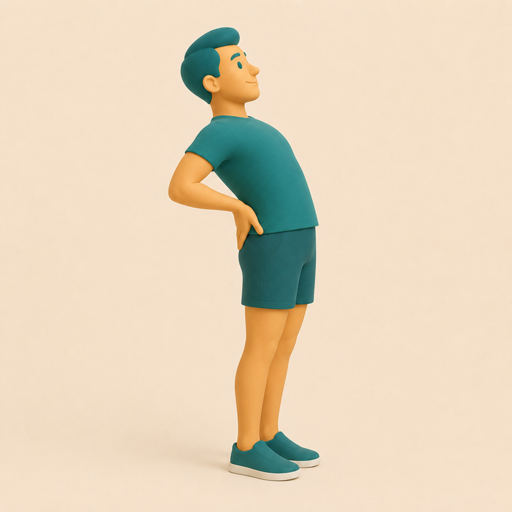 Standing back extension — 5 gentle arcs, hands on hips. The classic counter-move to sitting; do it every time you stand up.
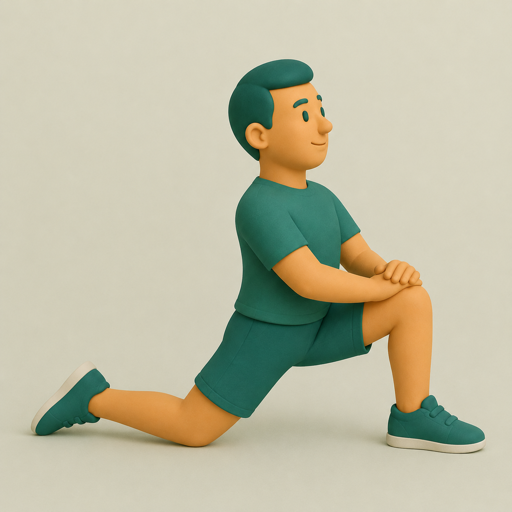 Kneeling hip flexor stretch — 30 seconds per side, in any quiet corner. Opens the front of the hips that sitting keeps shortened — lower backs often feel this one the most.
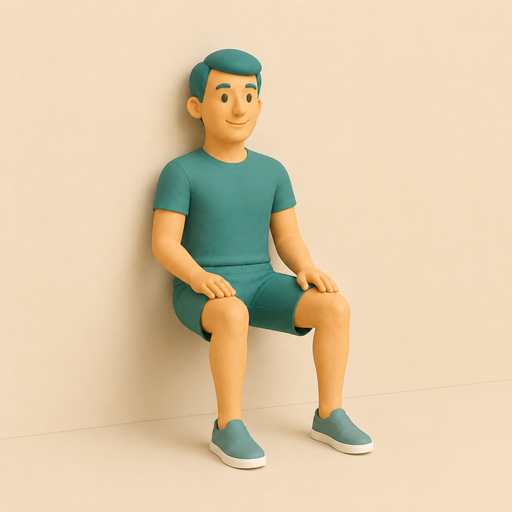 Wall sit — 20 to 30 seconds. A quiet strength builder for the legs and trunk that takes zero floor space.
Desk habits that carry the rest
The moves work best on top of two boring habits. First, break up stillness: stand, walk to the printer, refill the water glass — anything, roughly every 30 to 45 minutes. A timer feels silly for about two days and then becomes the single most effective thing you do.
Second, bring the screen to your eyes instead of your eyes to the screen. A laptop raised on a stand (or a stack of books) with a separate keyboard spares the upper back hours of forward drift every day.
Building a back that handles desk life
Relief moves help you through the day; strength is what changes the next month. A back with stronger supporting muscles simply tolerates sitting better. That is the idea behind a progressive plan: ease things first, then build week by week.
If you want that path laid out for you, the backpain.ai check-in takes about a minute and builds a daily ten-minute plan around your back and your workday — guided step by step, with the first session free.
And a professional beats any website when pain is sharp, runs down a leg, comes with numbness or tingling, or keeps worsening — get it looked at. This guide is educational information, not medical advice.
Reading helps — a plan does the deciding for you: which moves, in what order, for your back.
Start my 60-second check-inFirst session free · no card needed
More for your lower back: all guides and gentle moves in one place →
Educational information, not medical advice — consult a licensed healthcare provider, and check with your doctor before starting any exercise program.