Driving and Back Pain: Seat Setup, Stops, and Stretches
Few situations make a back complain as reliably as a long drive. Two hours in, the lower back starts murmuring. By hour four you are shifting in the seat at every red light, and you arrive somewhere lovely feeling like you were poured out of the car rather than stepping from it.
It does not have to cost that much. This guide looks at why cars are unusually hard on backs — harder than an office chair, in some ways — then walks through a kinder seat setup, a two-minute routine for every stop, and a short unwind for after you arrive.
Why driving is harder on your back than a desk
A car seat is sitting with the escape routes removed. At a desk you cross your legs, perch on the chair edge, lean back to think, stand up for the printer — dozens of tiny position changes an hour, none of them deliberate. Behind the wheel, your feet are on the pedals, your hands are on the wheel, and your eyes are on the road; the small fidgets that normally keep a back comfortable are mostly off the menu, and the desk-day problem of held stillness gets a seatbelt.
The shape is awkward, too. A car seat sends your legs forward rather than down, which tips the pelvis backward and rounds the lower back into a slump the seat then holds in place, mile after mile. The head drifts toward the windscreen, the shoulders creep toward the ears in traffic, and the right leg works the pedals from a position no other chair asks of it.
Add the low, constant vibration of the road — something spines notice more than we do — and a long drive becomes a bigger dose of stillness than the same hours at a desk. None of this makes driving dangerous for your back. It makes it a dose worth managing, and doses respond well to small adjustments.
Setting up the seat before you set off
Two minutes in the driveway buys hours of comfort. None of this needs a new car or an ergonomic accessory — the adjustments already built into your seat, used deliberately, do most of the work:
- Bring the seat back a touch more upright than feels natural — roughly 100 to 110 degrees — so the seat carries your back instead of your back sliding slowly down it.
- Slide close enough to the pedals that your knees stay softly bent. Reaching with a nearly straight leg drags the pelvis out of position with every press of the clutch or brake.
- Raise the seat base until your hips sit level with your knees or slightly above them; hips slung low round the lower back before you have left the driveway.
- Give the lower back something to rest into — the built-in lumbar support if your seat has one, a small cushion or rolled-up towel if it does not.
- Set the mirrors while you are sitting tall. Later in the drive, when you find yourself ducking to use them, that is the slouch tapping you on the shoulder.
- Take the wallet or phone out of your back pocket. A small sideways tilt is nothing for a minute and a lot for three hundred miles.
The two-minute rest-stop routine
Kind seating only rations the stillness; the real relief is interrupting it. On any drive over an hour or two, plan a stop every 60 to 90 minutes — fuel, coffee, a view, it does not matter what the excuse is. Regular movement is among the best-supported self-care there is for an ordinary aching back, and MedlinePlus's back pain overview keeps staying active near the top of its list.
Start every stop with the simplest thing available: two or three minutes of unhurried walking, letting the spine remember it is vertical. Then, beside the car:
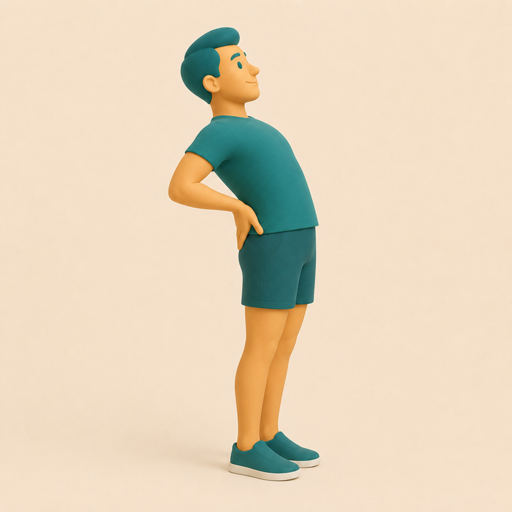 Standing back extension — 8 to 10 gentle arcs, hands on your lower back. The exact opposite of the driving position; let the chest lead and keep each arc small and easy.
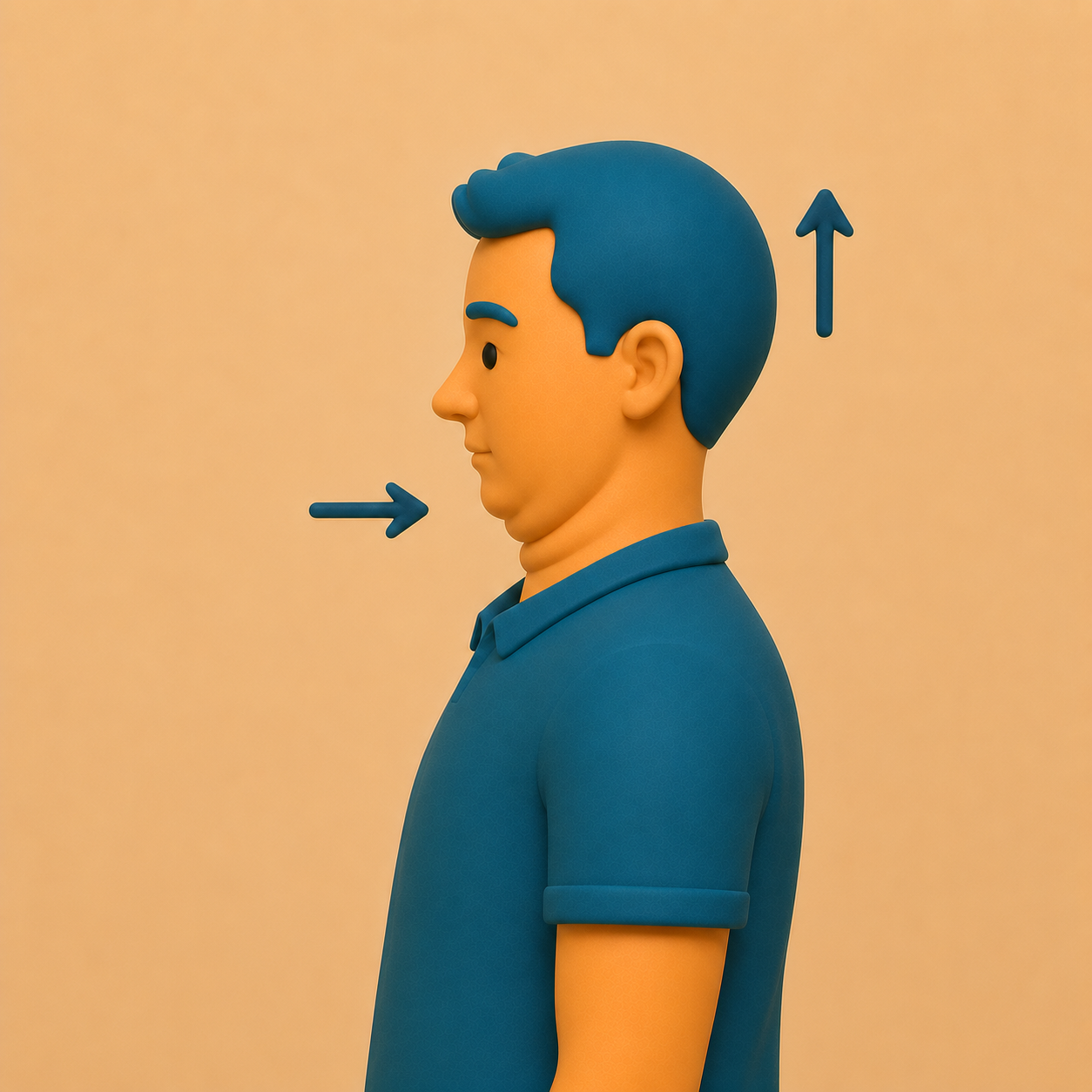 Standing chin tuck — 8 to 10 slow glides. Long miles pull the head toward the windscreen; this re-stacks it over your spine in under a minute.
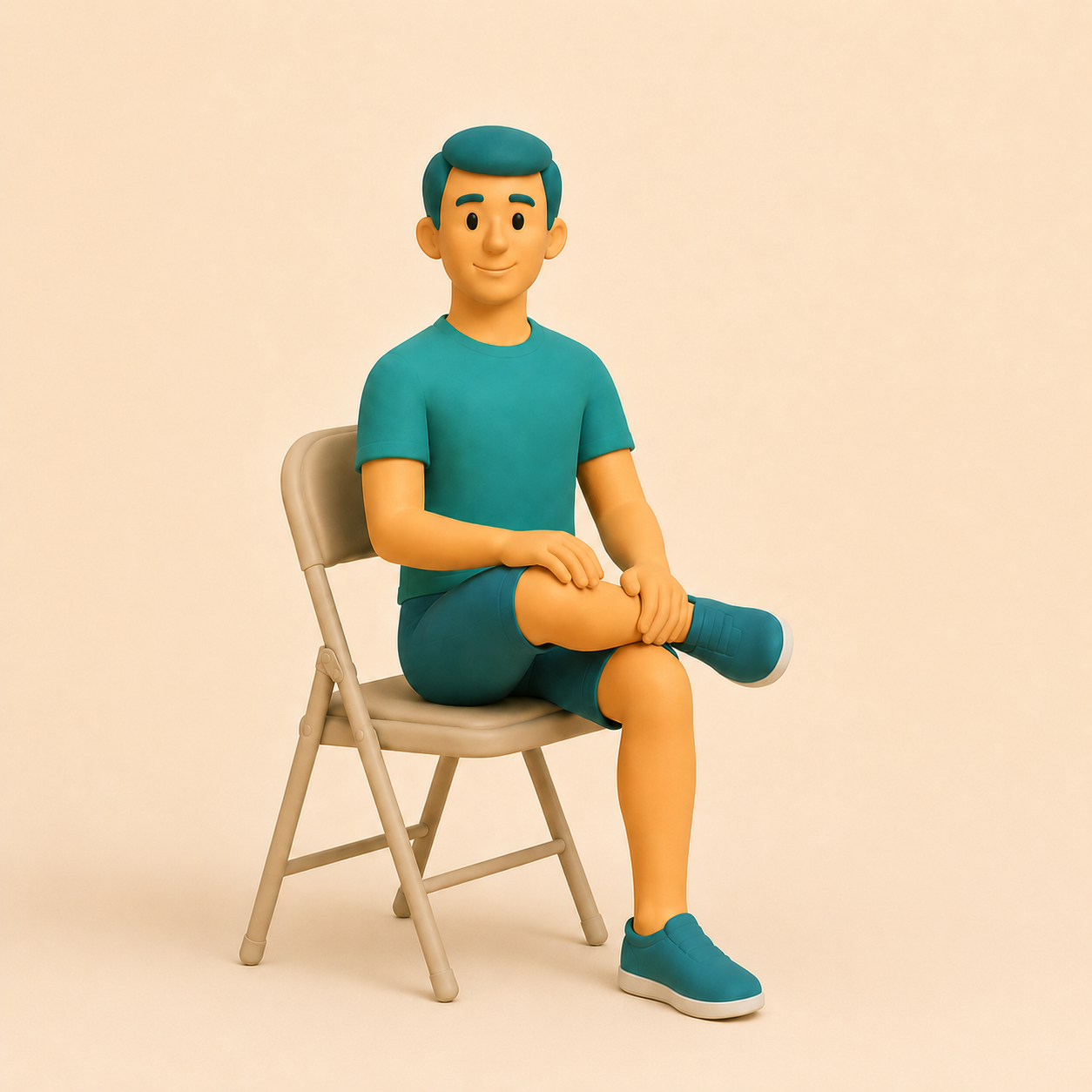 Seated figure-four — 30 seconds per side, on a bench or the seat edge with the door open. Reaches the deep hip muscles that pedal work and long sitting quietly squeeze.
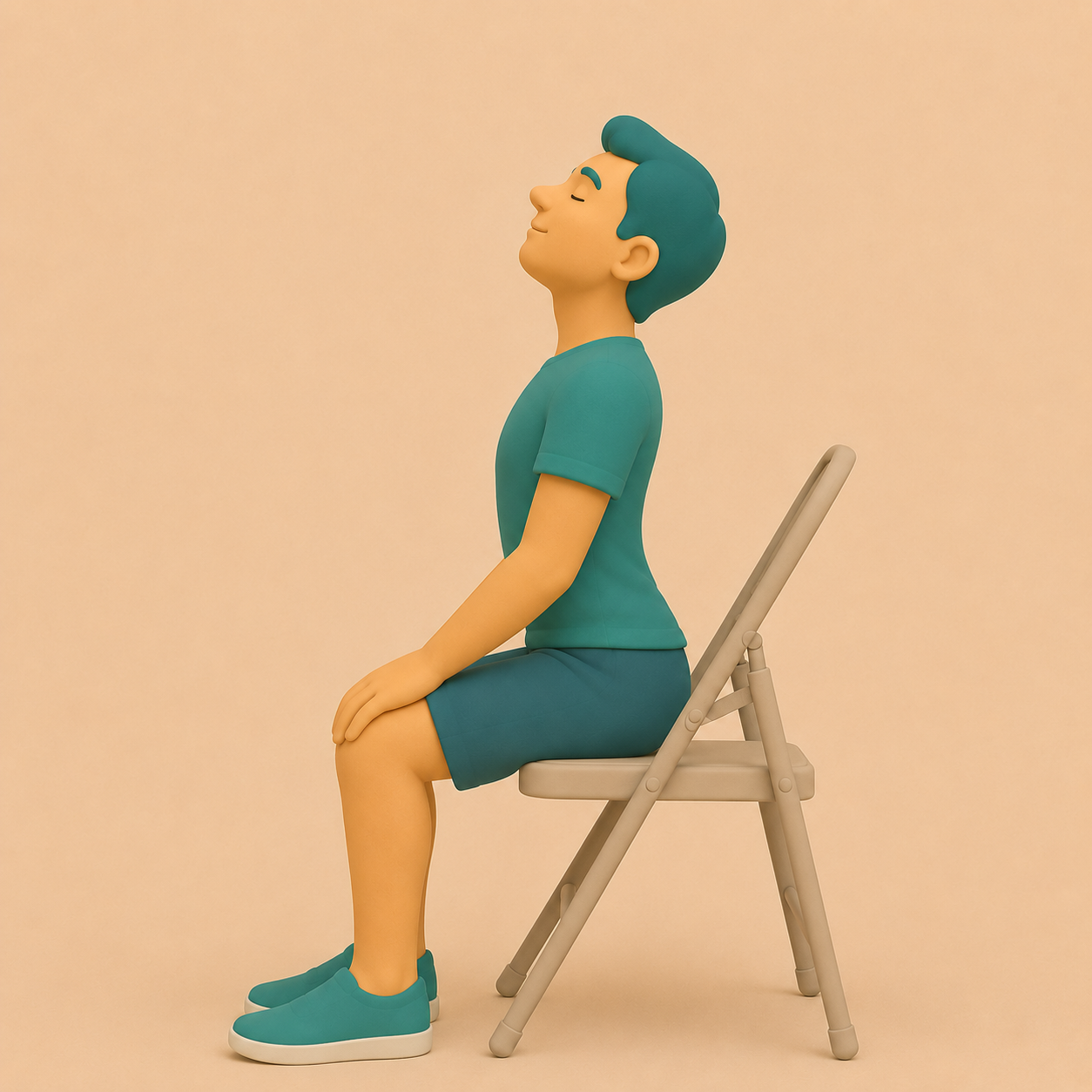 Seated Cat-Cow — 8 slow breath cycles, back in the parked car before you pull away. A quiet wave through the whole spine that clears the last stretch of road.
After you arrive
The drive is not quite finished when the engine stops. A back that has held one shape for hours appreciates a little movement before the evening asks it to carry luggage or fold onto a sofa — ten minutes later is fine, once you have walked around a bit and the legs feel like yours again.
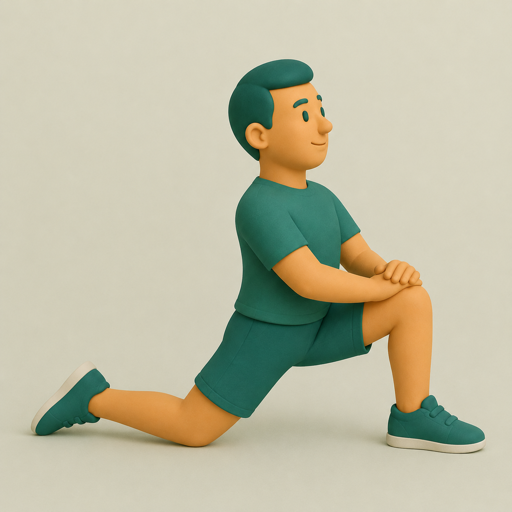 Kneeling hip flexor stretch — 30 seconds per side. Hours at the seated angle leave the front of the hips shortened; this returns them to full length so you can stand truly tall again.
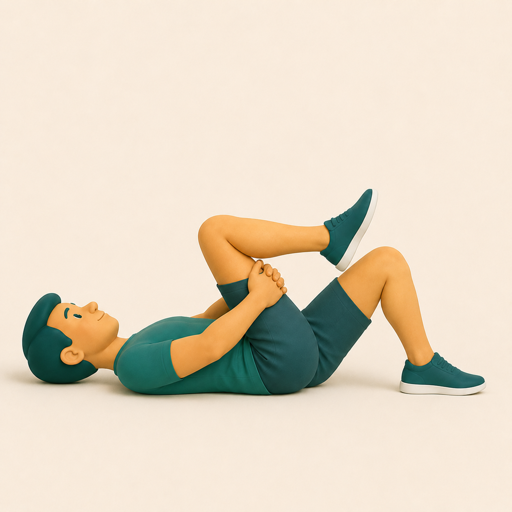 Single knee to chest — 30 seconds per side, lying down. A soft hug for a lower back that has been holding one shape all day.
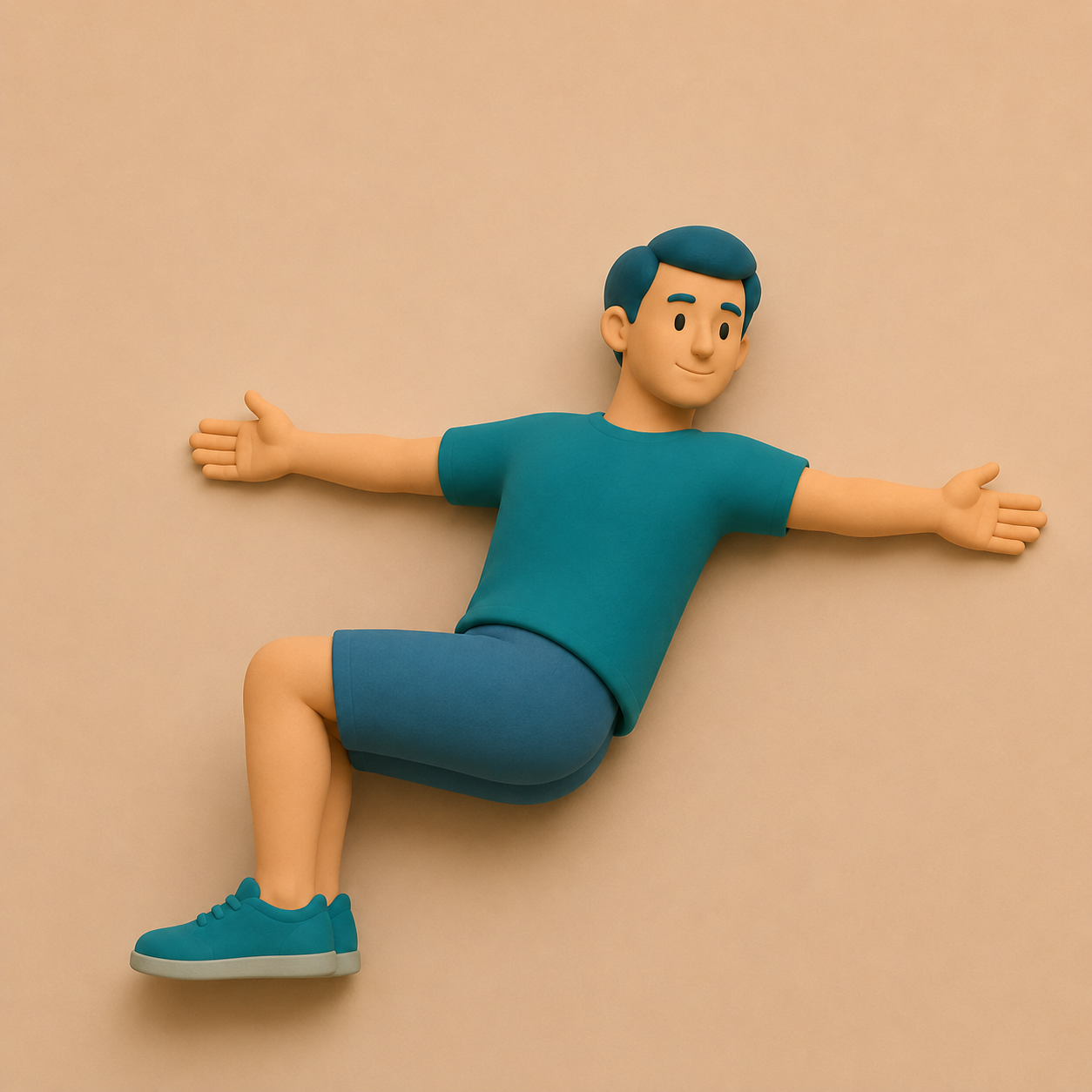 Supine twist — 30 to 45 seconds per side, knees dropping lazily together. Shoulders heavy, breath slow — the day's miles unwinding out of the spine.
Making long drives a non-event
For occasional road trips, the setup, the stops, and the arrival routine are the whole game. If driving is a daily part of your life — commuting, deliveries, a sales patch — it is worth adding the other half: a back that gets a little stronger and more mobile each week simply tolerates the hours better, and an evening wind-down before bed keeps one long day from bleeding into the next.
If you would rather have that assembled for you, the 60-second check-in builds a daily ten-minute plan around your specific back and your driving hours — which moves, in what order, at what pace — and guides you through one short session a day, with the first session free.
When back pain and driving deserve a professional
See a healthcare professional promptly if your back pain follows a collision — even a minor one — or comes with numbness, tingling, weakness, pain running down a leg, fever, or unexplained weight loss. The same goes for pain that keeps worsening over weeks, reliably wakes you at night, or makes controlling the pedals feel uncertain: that last one matters for more than your back. The NHS back pain guidance lists the same warning signs.
This guide is educational information, not medical advice. When in doubt, check with your doctor before starting any exercise program.
Reading helps — a plan does the deciding for you: which moves, in what order, for your back.
Start my 60-second check-inFirst session free · no card needed
Educational information, not medical advice — consult a licensed healthcare provider, and check with your doctor before starting any exercise program.